

Why very small wood burning stove Burning Stove Should Be Properly Sized and Installed
Wood stoves are a fantastic way to provide affordable, clean heat for your home. However, a wood stove needs to be properly sized and installed to ensure maximum efficiency.
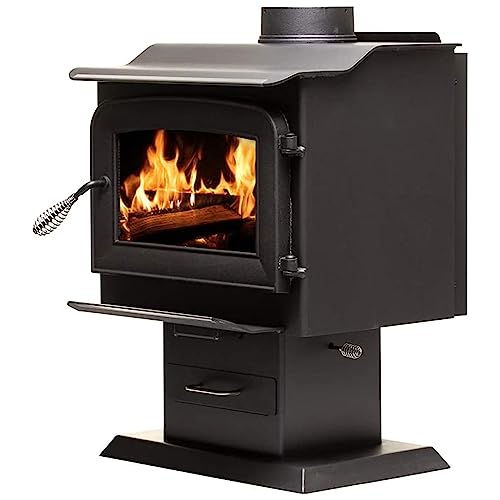
Be careful not to open and close the door to the wood stove frequently, as this creates a vortex that sucks smoke and unburnt volatile compounds back into the room.
Energy Efficiency
Radiant heat is utilized to warm the house instead of hot air carried into the home by its ventilation system. This is a more efficient method of heating because it produces radiant warmth that radiates from all sides of the stove, warming the entire home rather than just a central area.
Modern wood stoves are designed to be as energy efficient as possible. Manufacturers have to meet stricter standards regarding emissions and the most efficient way to achieve this is by making their stoves more energy efficient. The vast majority of our stoves (both DEFRA approved and EPA certified) have official efficiency ratings of 70%, meaning that a large portion of the heat that is generated is actually utilized to heat your home, rather than being lost up the chimney.
A wood burner is also warmth that is completely separate from. In contrast to electricity and gas, a wood burner will continue to provide warmth, even in the event of an outage in gas or electricity, as long as you have enough logs stored.
Wood burning stoves also offer an energy source that is more reliable over other heaters, since they don't require electricity or oil to operate. This is particularly important in remote regions where other sources of energy are susceptible to disruption for a long time.
A high-quality log burner will provide heat to your home at an 80 percent efficiency. This is an enormous improvement over older stoves that typically operate at less than 20% efficiency. This is one of the reasons why a new stove could be a good investment.
A catalytic wood stove will recycle the gasses and smoke that escapes the firebox via secondary combustion, which further increases efficiency. However non-catalytic stoves are becoming more common as they do not require expensive catalyst technology to attain similar efficiency and are considerably less expensive to purchase. This is especially beneficial for those who want to reduce their carbon footprint and save money on fuel expenses.
Clean Burning
A wood stove is a device that burns wood to generate heat however it also releases particulates and gases into the atmosphere. This can cause poor air quality in some regions and impact our health. This is why it's important to use clean burning technology in your wood stove.
If you own a brand modern, contemporary wood stove with Clean burn technology, it drastically reduces the amount of airborne dust and particulate emissions. This will not only make your home more healthy and safe, but it also can save you money since you can get more heating for each log.
Today's ECO design stoves meet one of the most stringent standards in the world when it comes to emissions from particles - they are allowed to release not more than 5 grams per kilo of wood used. At Jotul we have higher ambitions - we want to provide you with the absolute highest quality in terms of the environment and your health. We have created an approach that lets our wood stoves emit less than half of the legal requirements - in some cases, less than one grams!
Modern stoves have many ways to maximize the combustion of wood. It is important to monitor the airflow and slow down the airflow after the fire has become hot and established. Otherwise, you could end up killing the fire.
Cleaner stoves produce less creosote. This sticky substance can create serious fire hazards. Reduced creosote production can also save time and money in chimney sweeping.
The pre-heated tertiary air in our wood stoves is another key element in their performance to the highest level. This is a different level of air that is added above the fuel load and helps to ensure that all particles are completely burned. This is the bulk of the superior performance found in our newest stoves such as the Defra approved Hi-Flame Graphite 5.
Always make sure that you use your wood stove in areas that are legal. Smoke from a wood stove is not only hazardous for those living in the immediate area but it can also travel far distances and contribute to poor air quality in neighbouring communities.
Eco-Friendly
Wood burners are a low carbon alternative to stoves that use fossil fuels. As part of a closed carbon cycle, trees absorb CO2 from air and release it when burnt. This process is less damaging to the environment than releasing carbon dioxide into the air when you use oil, gas or electricity for heating your home.
Modern stoves are more efficient than previous models. This means that you can heat your home with less firewood. Some models are so efficient that they release almost no smoke, produce minimal ash and require 70 percent less wood than traditional stoves. Modern EPA certified stoves also include safety features like an automatic shut off to avoid overheating.
Eco-friendly stoves can help you save money on your energy bills. The cost of electricity and gas seem to be rising every year. With a wood-burning stove, you will be able to take control of your heating requirements and eliminate the middlemen.
You can also use reclaimed or salvaged wood for your stove to make it even more sustainable. Many people gather wood that could otherwise be thrown away in building projects or disposed in the garbage, but it is crucial to ensure that it is dry before you burn it. This is especially crucial when you reside in a smoke control zone where it's an offense to use damp or wet wood.
The eco-friendly aspect of a wood-burning stove is due to the fact that it is a renewable energy source. If you purchase your wood from a sustainable forest then one tree will be planted for every one that is removed for use which helps counteract the deforestation caused by fossil fuel production.
It is important to remember that while wood burning stoves produce less emissions than other stoves, they still produce some fine particulate matter pollution. These are tiny, harmful particles that can penetrate deep into your lungs and are extremely harmful to your health. HETAS, an independent body that sets standards for heating appliances, has led a campaign aimed at improving wood stoves to reduce the pollution as much as they can. Many manufacturers have developed eco-friendly wood burning stoves that are compliant with the latest standards.
Cooking
When properly used, wood stoves can be extremely safe. If you're not familiar with wood burning, it's recommended to have a professional check your fireplace and ventilation system to ensure they're working correctly. Modern wood burners have a chimney and a firebox that work together to draw fresh air in and then release smoke. The chimney and the ventilation pipe work to control the amount of creosote (a volatile organic compound) produced when wood is burned. Creosote buildup in the chimney could lead to reduced efficiency and create a fire risk, so it's important to keep your stove in good condition.
The crackle of the flame and the smell of burning wood create a cozy ambience that will take you back to simpler times. A wood-burning stove also adds an unmistakable flavor that can't be replicated by electric or gas stoves. The smoky taste of roasted meats, as well as soups with a hearty flavor provide meals with a distinctive and memorable taste that can't be replicated by other methods of cooking.
Cooking with a wood burning stove is also thought to be healthier than other types of cooking. For instance, if roast meats or vegetables on your wood-burning stove, the heat of the flames can help preserve nutrients that can be lost when heating foods for long durations.
Many people prefer using wood-burning stoves as an alternative to electricity or gas to heat their home. It's a reliable form of heating that's particularly beneficial during power outages or in areas where there is a shortage of fossil fuels. Furthermore, the majority of people find that using wood stoves are the most cost-effective method to heat their homes than purchasing and installing a traditional gas or electric stove. It is also more environmentally sustainable since wood is a renewable fuel source and emits less CO2 into the atmosphere when it is harvested and burned properly.